
Leisure Theories

Spillover Theory: This is when workers participate in leisure that have similar characteristics (spillover) to their work-related tasks. One example of this is students who do a workout before class. The energy that they get from working out causes them to be more energized and less stressed throughout the day. This energy spills over into better concentration throughout the day. It’s important for students to be focused and alert during their classes, and with removed recreation and leisure, it makes it very difficult for students to rely on anything other than energy drinks.
Compensation Theory: Deviations experienced at work are made up for (compensated) during leisure. If a student has a stressful day at school, they might compensate with spending a while at the gym. This helps them to unwind and relax in a healthy way, that helps them to feel happier and regain control. If the Recreation center is closed, students might rely instead on watching television or relaxing in a more unhealthy way.


Flow Theory: A state of being, based upon skill and challenge level, in which a person becomes so involved in an activity or experience that nothing else seems to matter. This can be experienced while practicing an instrument and getting so absorbed that you don’t notice an hour has passed. Or, playing basketball and being so focused on the game that everything feels automatic. If the Villa University (VU) and the City of Villa remove Recreation and leisure, neither of these will be experienced.


Self-as-entertainment Theory: The ability to fill free time or entertain oneself. It is based on the three modes of self, environment, or mind-play. In college, students use this all the time. For example, a little kid daydreaming about something or, going to the gym for personal use and imagining how it will help them to be more fit and feel better overall. This theory explains why recreation and leisure is important for students to be more successful and reframe boring situations to entertain themselves.
Serious Leisure: The systematic pursuit of an amateur, hobbyist, or volunteer activity that is so interesting that people launch themselves on a career centered on acquiring special skills, knowledge, and experience. This can be experienced when students join a competitive club sport. In the Rec, there are many competitive and intramural sports teams. If recreation and leisure are removed, these students won’t have a way to focus on a hobby that isn’t surrounding school.
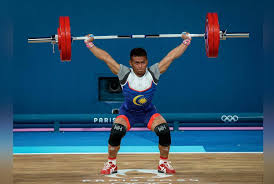

Casual Leisure: Pleasurable activity that requires no special skills or knowledge. This type of leisure is easy, with low-effort activities like watching a show with friends or playing games like frisbee, watching a movie, or playing Mario for fun. Casual leisure isn’t stressful, and is an easy way to relax and spend your time. Without recreation and leisure, it would be very difficult to de-stress and enjoy a calm time boy yourself of with friends.
Classic Leisure: Leisure that involves deep thought, learning, creativity, or personal enrichment. These are activities that help people grow intellectually, morally, or spiritually. Many students experience this type of leisure daily. For example, when students attend a lecture about their major because they want to learn more, and for their own knowledge. This can also be seen when artists create their own music or learn how to play an instrument. UWL has many students who play instruments, dance, or sing, and all of these students would be unable to continue expressing their form or leisure.

Postmodern Leisure: Skills and pleasurable activity that can be a method of social control. One example on campus is TikTok. Most students either watch or post TikTok’s often, and spend their time scrolling or interacting with others. They can meet new people and interact online. This is similar to Instagram, Snapchat, all these social media platforms would be removed with the Villa University’s new rules, making it impossible for students to interact with others online.